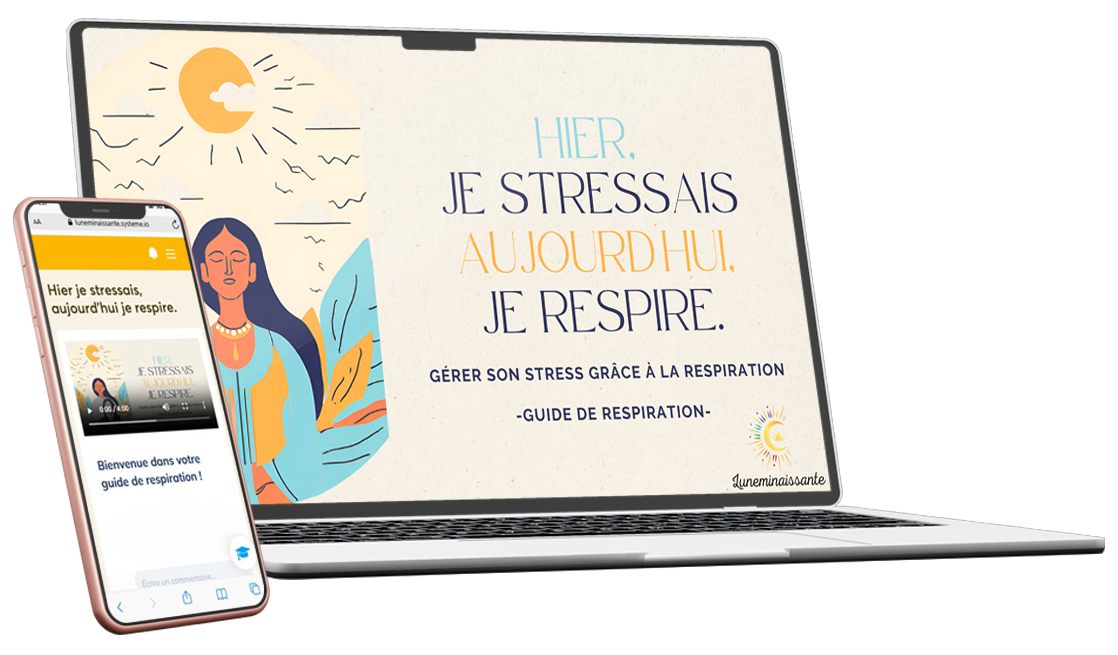
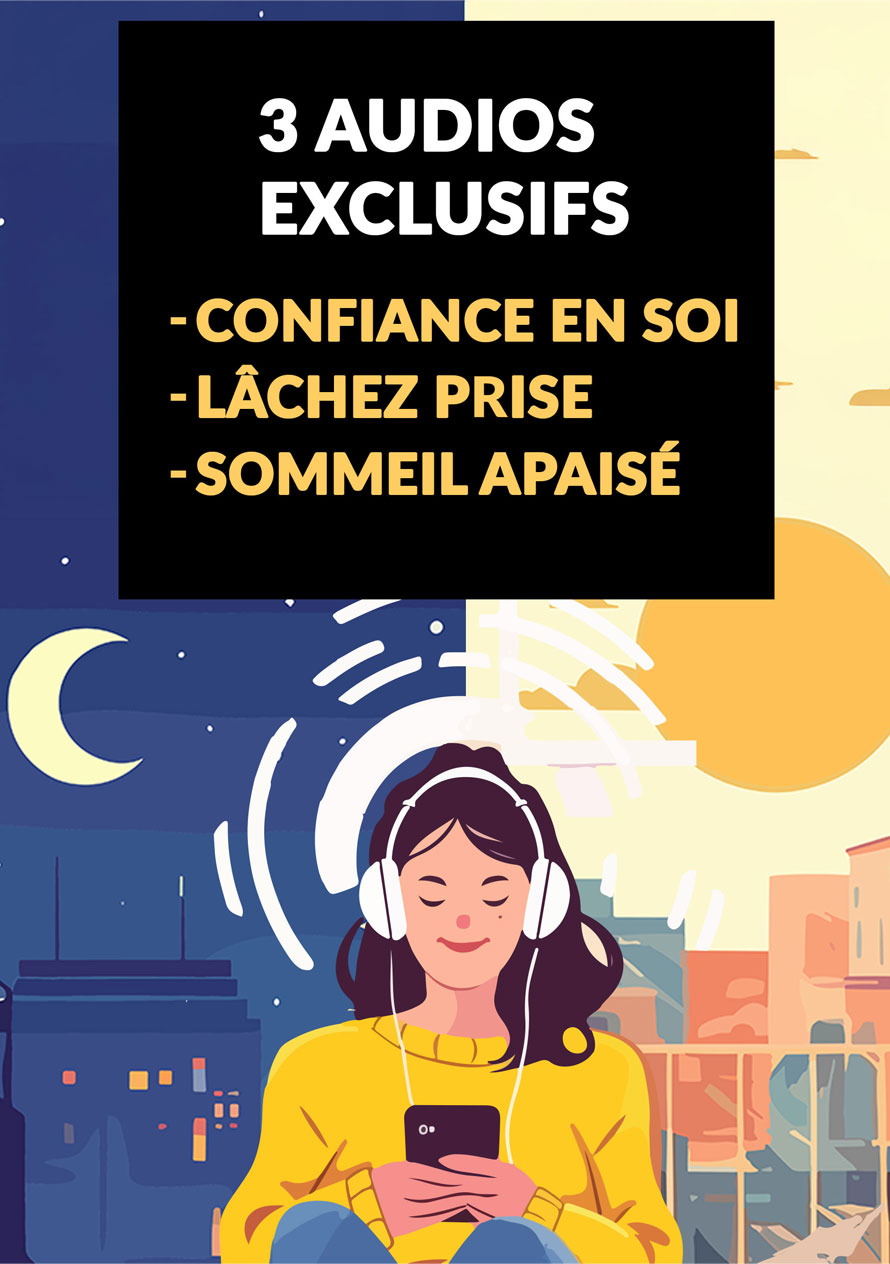
Je reste disponible pour répondre à vos questions par sms : 📞07.56.87.42.16
Avis Google : Cabinet les Essarts ou Pôle Bien-Etre Saint-Aubin-Lès-Elbeuf

- Vibrant artistry with luckystar ignites passion and transforms everyday experiences into treasured moments
- The Art and History of Symbolic Stars
- Expressing Creativity: Luckystar Designs and Customization
- The Role of Luckystars in Gifting and Celebrations
- The Therapeutic Benefits of Crafting Luckystars
- Expanding the Concept: Luckystar Inspired Art and Design
Vibrant artistry with luckystar ignites passion and transforms everyday experiences into treasured moments
The pursuit of moments that truly resonate with joy and wonder is a universally human endeavor. Often, these moments are unexpected, seemingly small occurrences that hold a disproportionate amount of significance. The essence of capturing and celebrating these fleeting instances of happiness is where the appeal of items like a luckystar truly lies. It’s a symbolic representation of optimistic anticipation and a tangible reminder to cherish the beauty found in the everyday.
Beyond a simple decorative object, a luckystar, often crafted with intricate detail and vibrant colors, represents a beacon of hope and good fortune. The meticulous process of creating these stars—whether through paper folding origami, careful stitching, or personalized designs—speaks to a dedication to craftsmanship and a desire to imbue an object with positive energy. The design element alone makes it a popular choice for interior design and gifting. These objects transcend age and culture, acting as a gentle nudge to embrace positivity and appreciate the little things in life.
The Art and History of Symbolic Stars
Stars have held a prominent place in human culture for millennia, representing guidance, hope, and the divine. Across diverse civilizations—from ancient Egypt to indigenous American cultures—stars were often considered celestial beings or pathways to the afterlife. Their twinkling brilliance in the night sky inspired mythology, astronomical study, and a sense of connection to something larger than oneself. The modern iteration of the “luckystar” borrows from this rich heritage, adapting the celestial symbol to represent personal wishes and good fortune. The symbolism is multifaceted, ranging from a simple desire for luck to a deeper aspiration for fulfillment and happiness. The practice of making and giving these stars continues a long tradition of using symbolic objects to invoke positivity and blessings.
The evolution of the luckystar as we recognize it today is rooted in the craft traditions of various cultures. Origami, the Japanese art of paper folding, has played a significant role, with intricate star designs becoming a popular expression of skill and artistry. Similarly, quilting traditions in various parts of the world often incorporated star patterns, representing hope, guidance, and the enduring nature of the human spirit. The aesthetics of a luckystar are intentionally uplifting. Bright colors, sparkling materials, and carefully considered designs all contribute to its positive and charming appeal, making it a popular choice for handmade gifts and decorative pieces.
| Paper (Origami) | Decorative hangings, gift tags, beginner's craft |
| Fabric (Quilting/Embroidery) | Wall art, ornaments, patchwork designs |
| Wood | Sculptures, ornaments, home decor accents |
| Metal | Jewelry, keychains, longer-lasting decorations |
The choice of material impacts both the appearance and the perceived value of the luckystar. Paper offers affordability and versatility, while more durable materials like wood or metal create a lasting keepsake. Ultimately, the meaning embedded within the luckystar is what fuels its enduring appeal, regardless of the chosen medium.
Expressing Creativity: Luckystar Designs and Customization
One of the most engaging aspects of luckystar creations is the endless potential for personalization. Beyond the basic five-pointed star shape, artisans and hobbyists experiment with a stunning variety of designs, colors, and embellishments. Complex origami patterns, intricate embroidery stitches, and the incorporation of beads, sequins, and other decorative elements allow for a truly unique expression of individual style and creativity. This ability to customize is a key factor in the growing popularity of luckystars, as individuals seek to create meaningful objects that reflect their own personal tastes and preferences. The creation process itself can be incredibly therapeutic, providing a mindful outlet for stress and a sense of accomplishment.
Furthermore, luckystars are increasingly being used as a medium for storytelling. Individuals incorporate meaningful colors, patterns, or symbols into their designs to represent cherished memories, personal goals, or heartfelt sentiments. A star crafted with a specific color palette might evoke a particular season or place, while the inclusion of a favorite motif could symbolize a passion or a belief. This level of personalization transforms the luckystar from a mere decorative object into a treasured heirloom, imbued with personal significance and emotional resonance. The act of giving a personalized luckystar signifies a deeper level of thoughtfulness and care.
- Custom Color Schemes: Matching colors to specific memories or preferences.
- Embellishments: Adding beads, sequins, or ribbons for texture and visual interest.
- Personalized Inscriptions: Including names, dates, or meaningful quotes.
- Material Selection: Choosing materials that resonate with the recipient’s style.
- Unique Folding Techniques: Employing origami or quilting patterns for complex designs.
The possibilities for customization are truly limited only by one’s imagination. The simple act of creating something beautiful and meaningful, tailored specifically to someone else, elevates a simple luckystar into a heartfelt expression of affection and appreciation.
The Role of Luckystars in Gifting and Celebrations
Luckystars have established themselves as a thoughtful and versatile gift option for a wide range of occasions. Whether it’s a birthday, a graduation, a housewarming, or simply a gesture of encouragement, a lovingly crafted luckystar can convey a feeling of warmth and well-wishing. They are particularly appreciated as handmade gifts, demonstrating the time, effort, and care put into their creation. The symbolism inherent in the star shape – representing hope, guidance, and good fortune – adds an extra layer of meaning to the gift, making it a particularly fitting choice for moments of transition or celebration. The affordability of materials makes luckystars accessible to all, allowing individuals to express their sentiment regardless of budget.
Beyond individual gifting, luckystars are also becoming increasingly popular as decorative elements in celebrations and events. They can be incorporated into table centerpieces, used to create festive garlands, or even given as party favors. The shimmering quality of many luckystar designs adds a touch of magic and whimsy to any atmosphere, creating a sense of joy and excitement. They are also frequently used in classroom settings as a craft activity, promoting creativity and fine motor skills among children. The collaborative aspect of creating luckystars – perhaps as a group project or a community art installation – fosters a sense of connection and shared purpose.
- Choose a color scheme that matches the occasion or the recipient’s preferences.
- Select a material that is appropriate for the intended use (e.g., paper for a temporary display, wood for a lasting keepsake).
- Consider adding personalized touches, such as names, dates, or meaningful symbols.
- Practice the chosen crafting technique to ensure a neat and polished final product.
- Present the luckystar with a heartfelt message expressing your wishes for the recipient.
The thoughtful presentation of a luckystar can enhance its impact even further. Packaging it in a decorative box, tying it with a colorful ribbon, or accompanying it with a handwritten card can demonstrate the care and attention put into the gift.
The Therapeutic Benefits of Crafting Luckystars
In an increasingly fast-paced and technology-driven world, the act of engaging in hands-on crafts like creating luckystars offers a valuable opportunity to disconnect from digital distractions and reconnect with one's own creativity. The repetitive motions involved in origami, quilting, or embroidery can be incredibly meditative, promoting a sense of calm and mindfulness. Focusing on the intricate details of the crafting process requires concentration and patience, effectively quieting the mental chatter that often contributes to stress and anxiety. This mindful engagement can be a powerful tool for self-care and emotional well-being. The physical act of creation also provides a sense of accomplishment and boosts self-esteem.
Furthermore, crafting luckystars can foster a sense of community and connection. Joining a crafting group, attending workshops, or simply sharing creations with friends and family can create opportunities for social interaction and shared enjoyment. The collaborative aspect of crafting can be particularly beneficial for individuals who may be feeling isolated or lonely. The sense of purpose derived from creating something beautiful and meaningful can also be incredibly rewarding, contributing to a greater sense of overall life satisfaction. Participating in crafting circles builds friendships and a supportive environment.
Expanding the Concept: Luckystar Inspired Art and Design
The aesthetic appeal and symbolic resonance of the luckystar have inspired artists and designers to explore its form and meaning in a variety of creative disciplines. From paintings and sculptures to jewelry and fashion, the star motif continues to emerge as a recurring theme, adding a touch of whimsy and optimism to diverse artistic expressions. The ability to deconstruct and reinterpret the traditional luckystar form allows artists to push boundaries and explore new aesthetic possibilities. This has led to truly innovative and inspiring works of art. The versatility of the star shape allows it to be adapted to a wide range of styles, from minimalist and abstract to intricate and ornate.
This trend demonstrates the enduring power of simple, yet evocative, symbols to capture the imagination and inspire creativity. The luckystar – whether represented in its traditional five-pointed form or reimagined through a contemporary lens – serves as a reminder of the beauty found in the everyday, the importance of holding onto hope, and the power of human creativity to transform the ordinary into the extraordinary. The influence of the luckystar design extends beyond visual arts, influencing interior design trends and even inspiring new product concepts. It’s a testament to the enduring appeal of this deceptively simple symbol.