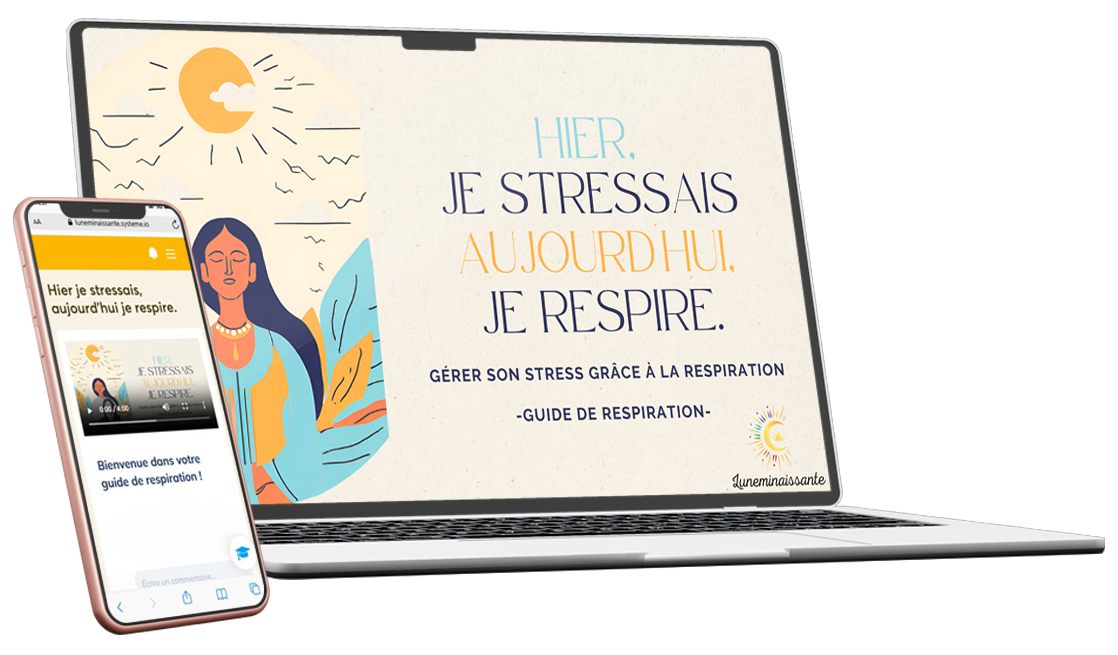
Je reste disponible pour répondre à vos questions par sms : 📞07.56.87.42.16
Avis Google : Cabinet les Essarts ou Pôle Bien-Etre Saint-Aubin-Lès-Elbeuf

- Wellness journeys transform lives with https://pacific-spin-canada.ca innovative support systems
- The Importance of Holistic Wellness Approaches
- The Role of Preventative Care
- Navigating the Landscape of Wellness Support Systems
- Identifying Reliable Resources
- The Benefits of Integrating Mind-Body Practices
- The Science Behind Mind-Body Connection
- The Role of Nutrition in Enhancing Wellbeing
- Looking Ahead: Personalized Wellness and Technological Advancements
Wellness journeys transform lives with https://pacific-spin-canada.ca innovative support systems
https://pacific-spin-canada.ca. The pursuit of wellness is a deeply personal journey, one that often requires supportive tools and resources to navigate successfully. In today’s fast-paced world, maintaining optimal health – both physical and mental – can feel overwhelming. Individuals are increasingly seeking innovative solutions to enhance their well-being, and that’s where platforms like
Understanding individual needs is paramount when it comes to wellness. There's no one-size-fits-all approach, and what works for one person may not work for another. Access to tailored support, informed guidance, and high-quality resources is crucial for achieving lasting positive change. The modern wellness landscape has become increasingly complex, with a proliferation of information and options. A reliable and trustworthy platform can cut through the noise, providing clarity and direction, ultimately helping individuals make informed decisions about their health and wellbeing. This is especially true when it comes to exploring new therapies or lifestyle modifications, where expert advice and evidence-based practices are invaluable.
The Importance of Holistic Wellness Approaches
Holistic wellness acknowledges the interconnectedness of the mind, body, and spirit. This means recognizing that physical health is profoundly influenced by emotional well-being, and vice versa. Traditional healthcare often focuses on treating symptoms, but a holistic approach delves deeper, examining the underlying causes of illness and identifying lifestyle factors that contribute to imbalances. This might involve exploring stress management techniques, nutritional adjustments, regular physical activity, and cultivating meaningful connections with others. By addressing all aspects of a person's life, holistic wellness promotes sustainable, long-term health improvements. It’s not just about feeling good in the moment; it's about creating a foundation for a vibrant and fulfilling life.
The Role of Preventative Care
Preventative care is a cornerstone of holistic wellness, emphasizing proactive measures to maintain health and prevent disease. This includes regular check-ups, screenings, vaccinations, and adopting healthy lifestyle habits. Investing in preventative care can significantly reduce the risk of developing chronic conditions such as heart disease, diabetes, and certain types of cancer. Furthermore, it empowers individuals to take ownership of their health and make informed decisions about their well-being. Early detection of potential health issues is also a crucial component, allowing for timely intervention and treatment. The proactive approach is always more effective than reactive management of a health crisis.
| Preventative Care Measure | Frequency |
|---|---|
| Physical Examination | Annually |
| Dental Check-up | Every Six Months |
| Vision Exam | Every One to Two Years |
| Cholesterol Screening | Every Five Years (or as recommended by doctor) |
A shift towards prioritizing preventative care represents a fundamental change in how we approach health. It moves away from simply treating illness to actively fostering wellness and resilience. Resources that advocate and facilitate preventative care, like those found relating to
Navigating the Landscape of Wellness Support Systems
The sheer number of wellness resources available today can be daunting. From fitness apps and nutritional supplements to mindfulness programs and alternative therapies, the options seem endless. However, not all resources are created equal. It's essential to critically evaluate the information and support systems you're considering, ensuring they are evidence-based, reputable, and aligned with your individual needs. Looking for credible sources, consulting with healthcare professionals, and seeking recommendations from trusted friends and family are all helpful steps in navigating this complex landscape. A focus on personalized support, tailored to specific health goals and preferences, is often the most effective approach.
Identifying Reliable Resources
When seeking wellness support, several key factors can help you identify reliable resources. Look for organizations and practitioners with established credentials and a proven track record of success. Check for scientific evidence supporting the claims made about a particular product or service. Be wary of exaggerated promises or quick-fix solutions, as these are often red flags. Reading reviews and testimonials from other users can also provide valuable insights, but it's important to approach them with a critical eye. Prioritize resources that emphasize a holistic approach to wellness, addressing the interconnectedness of mind, body, and spirit.
- Credentials and Expertise: Verify the qualifications and experience of practitioners.
- Evidence-Based Practices: Look for resources based on scientific research and proven results.
- Transparency and Accountability: Choose organizations that are open about their methods and results.
- Personalized Approach: Seek support systems tailored to your individual needs and goals.
- Holistic Perspective: Prioritize resources that address the interconnectedness of mind, body, and spirit.
Effective wellness journeys often require a combination of different support systems. Integrating the right resources can empower individuals to take control of their health and achieve lasting positive change. Platforms that serve as access points to diverse expertise, like those connected to
The Benefits of Integrating Mind-Body Practices
Mind-body practices, such as yoga, meditation, and tai chi, have gained increasing recognition for their profound effects on both physical and mental health. These practices cultivate a greater awareness of the connection between the mind and body, fostering a sense of inner peace and resilience. Regular engagement in mind-body practices can reduce stress, lower blood pressure, improve sleep quality, and enhance overall well-being. They also promote emotional regulation, helping individuals manage difficult emotions and cultivate a more positive outlook on life. The benefits extend beyond the individual, potentially improving relationships and fostering a greater sense of connection with others.
The Science Behind Mind-Body Connection
The mind-body connection isn’t merely a philosophical concept; it’s supported by a growing body of scientific evidence. Research has shown that mind-body practices can alter brain structure and function, increasing gray matter density in areas associated with attention and emotional regulation. These practices also impact the autonomic nervous system, reducing the “fight-or-flight” response and promoting a state of relaxation. Furthermore, they can influence the immune system, enhancing its ability to fight off illness. The physiological and neurological changes induced by mind-body practices demonstrate the powerful interplay between our thoughts, emotions, and physical health.
- Reduced Stress: Mind-body practices activate the parasympathetic nervous system, promoting relaxation.
- Improved Emotional Regulation: Cultivating mindfulness enhances awareness of emotions and reduces reactivity.
- Enhanced Immune Function: Stress reduction and relaxation can boost the immune system.
- Pain Management: Certain mind-body techniques can alleviate chronic pain.
- Increased Self-Awareness: Regular practice fosters a deeper understanding of one’s thoughts, emotions, and sensations.
Incorporating mind-body practices into daily life can be a powerful step towards cultivating holistic wellness. Accessible tools and guidance, similar to that offered by resources linked to
The Role of Nutrition in Enhancing Wellbeing
Nutrition is a fundamental pillar of wellness, providing the body with the essential building blocks it needs to function optimally. A balanced and nutrient-rich diet supports physical health, boosts energy levels, enhances cognitive function, and strengthens the immune system. Focusing on whole, unprocessed foods – such as fruits, vegetables, whole grains, and lean proteins – is crucial for nourishing the body and preventing chronic diseases. Paying attention to hydration is also essential, as water plays a vital role in numerous bodily functions. Individual nutritional needs vary depending on factors such as age, activity level, and health status, so it’s important to tailor your diet accordingly.
Beyond simply consuming the right nutrients, mindful eating practices can also enhance wellbeing. This involves paying attention to hunger and fullness cues, savoring each bite, and eating without distractions. Mindful eating promotes a healthier relationship with food and can help prevent overeating and emotional eating. It’s also important to be aware of potential food sensitivities or allergies, as these can contribute to inflammation and other health issues. Personalised nutritional guidance and support can be very beneficial in creating a sustainable and enjoyable dietary plan.
Looking Ahead: Personalized Wellness and Technological Advancements
The future of wellness is poised to be shaped by personalization and technological advancements. Increasingly, individuals are seeking customized wellness programs tailored to their unique genetic makeup, lifestyle, and health goals. Genetic testing, wearable technology, and data analytics are all playing a role in creating more precise and effective interventions. Artificial intelligence (AI) is also being used to develop personalized health recommendations and virtual coaching platforms. These advancements hold the potential to empower individuals to take proactive control of their health and optimize their wellbeing in unprecedented ways.
The continued development of accessible and user-friendly wellness resources, like those explored through connections to