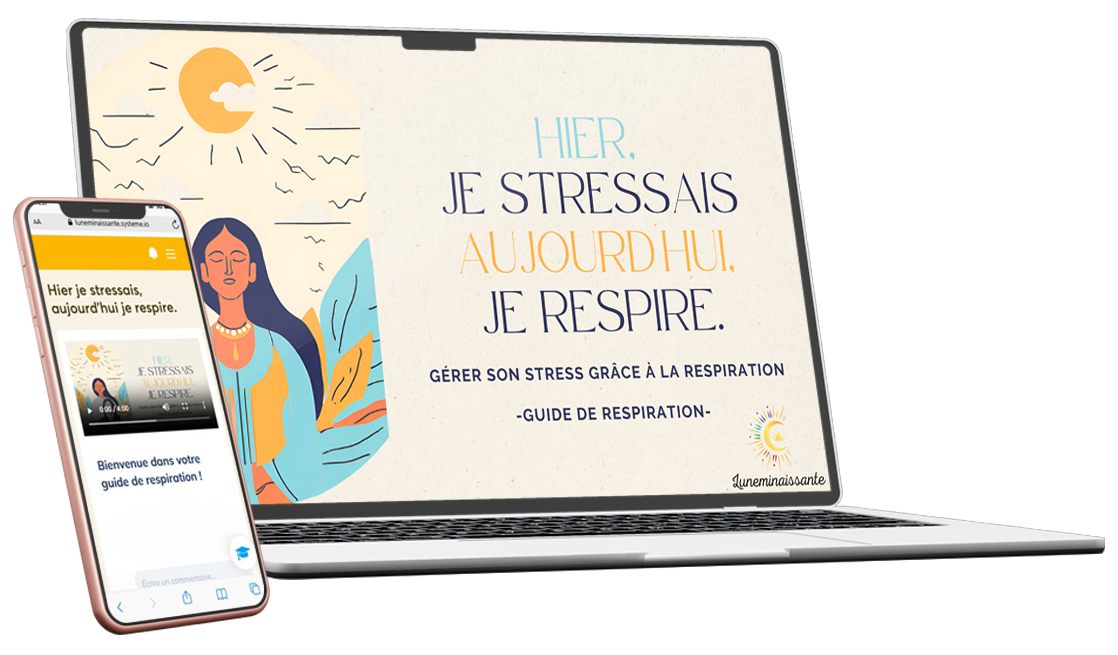
Je reste disponible pour répondre à vos questions par sms : 📞07.56.87.42.16
Avis Google : Cabinet les Essarts ou Pôle Bien-Etre Saint-Aubin-Lès-Elbeuf

- Notable transitions from theory to practice through pacific spin redefine outcomes
- Understanding the Core Principles of Adaptive Resilience
- The Role of Interconnectedness and Systemic Thinking
- Cultivating Collaborative Dynamics for Positive Change
- Building Bridges Through Empathetic Communication
- Leveraging Disruptive Forces for Innovation
- The Power of Prototyping and Iterative Development
- Navigating Complexity with Scenario Planning
- Beyond Reaction: Shaping the Future with Conscious Adaptation
Notable transitions from theory to practice through pacific spin redefine outcomes
The concept of a “pacific spin” represents a fascinating shift in how we approach complex challenges, emphasizing a move away from confrontational strategies towards collaborative problem-solving and innovative adaptation. It's about taking a potentially destabilizing force – change, disruption, conflict – and channeling its energy to create something new and beneficial. This isn’t simply about avoiding conflict; it’s about actively reshaping the dynamics to foster positive outcomes that might not have been apparent through traditional approaches. The delicate balance of navigating turbulent environments requires a specific skillset and mindset, one that prioritizes understanding, flexibility, and a long-term vision.
Historically, responses to disruptive influences have often been reactive, focusing on damage control and attempting to restore a previous state of equilibrium. However, this approach often proves inadequate, as the underlying conditions that created the disruption remain unaddressed. A “pacific spin” instead advocates for a proactive stance, anticipating potential shifts and developing strategies to harness their energy for growth and resilience. This necessitates a willingness to embrace ambiguity and experiment with new models, moving beyond established norms to find innovative pathways forward. It’s a paradigm shift with implications across numerous fields, from international relations to business strategy and personal development.
Understanding the Core Principles of Adaptive Resilience
At the heart of the “pacific spin” lies the principle of adaptive resilience. This isn’t about being invulnerable to shocks, but rather about developing the capacity to bounce back from adversity and even thrive in the face of uncertainty. The traditional mindset often equates stability with control, attempting to eliminate all sources of risk. However, complete control is an illusion; the world is inherently unpredictable. Adaptive resilience, on the other hand, acknowledges this uncertainty and focuses on building flexibility and responsiveness. This means developing the ability to quickly learn from experiences, adjust strategies as needed, and embrace change as an opportunity for growth. It requires a deep understanding of the interconnectedness of systems and the potential for cascading effects. A small disruption in one area can trigger ripple effects throughout an entire network, and anticipating these consequences is crucial for effective adaptation.
The Role of Interconnectedness and Systemic Thinking
Systemic thinking is a core component of fostering adaptive resilience. It involves recognizing that problems are rarely isolated and that solutions must address the underlying patterns and relationships that contribute to them. This requires a holistic perspective, looking beyond the immediate symptoms to identify the root causes of instability. For example, in a business context, a decline in sales might be attributed to a specific marketing campaign failure, but a systemic analysis might reveal deeper issues related to product quality, competitive pressures, or shifting consumer preferences. By understanding these interconnected factors, organizations can develop more effective and sustainable solutions. Promoting open communication and collaboration across different departments and levels within an organization is essential for encouraging this type of systemic thinking.
| Traditional Approach | Adaptive Resilience Approach |
|---|---|
| Focus on control and stability | Embrace flexibility and adaptability |
| React to disruptions | Anticipate and prepare for change |
| Seek to eliminate risk | Manage and leverage risk |
| Linear thinking (cause & effect) | Systemic thinking (interconnectedness) |
The table highlights the fundamental differences in these two approaches. Moving from a traditional, control-oriented mindset to one of adaptive resilience is essential for navigating the complexities of the modern world. A crucial distinction also lies in the acceptance of failure as a learning opportunity. Traditional models often penalize mistakes, hindering innovation and risk-taking. Adaptive resilience, conversely, encourages experimentation and views setbacks as valuable sources of insight.
Cultivating Collaborative Dynamics for Positive Change
A “pacific spin” isn’t solely about individual resilience; it’s equally about building collaborative dynamics that can harness the collective intelligence and creativity of groups. This requires fostering a culture of trust, open communication, and mutual respect. When individuals feel safe to share their ideas and perspectives without fear of judgment, it unlocks a wealth of potential solutions. Furthermore, diverse teams, comprised of individuals with different backgrounds, experiences, and skillsets, are often more innovative and effective at problem-solving. Avoiding groupthink and encouraging constructive conflict are vital for maximizing the benefits of collaboration. The goal isn’t to eliminate disagreement, but to channel it productively, using differing viewpoints to challenge assumptions and refine strategies.
Building Bridges Through Empathetic Communication
Empathetic communication is the cornerstone of effective collaboration. It involves actively listening to understand the perspectives of others, even when those perspectives differ from your own. This requires setting aside personal biases and assumptions and genuinely attempting to see the world through the eyes of another person. Nonviolent communication techniques, which emphasize expressing needs and feelings without blame or judgment, can be particularly helpful in fostering empathetic interactions. Creating safe spaces for dialogue, where individuals feel comfortable sharing their vulnerabilities and concerns, is also essential. A lack of empathy can quickly erode trust and create barriers to collaboration.
- Active Listening: Fully concentrating on what the other person is saying, both verbally and nonverbally.
- Reflecting: Summarizing what you've heard to ensure understanding.
- Clarifying: Asking questions to gain a deeper understanding of the other person's perspective.
- Empathizing: Attempting to understand and share the feelings of the other person.
These techniques aren’t merely about polite conversation; they are instrumental in building the strong relationships that underpin successful collaboration. By prioritizing understanding over agreement, we can create environments where diverse perspectives are valued and collective intelligence can flourish. The skillful implementation of these steps can dramatically improve communication within teams and organizations.
Leveraging Disruptive Forces for Innovation
Instead of viewing disruptive forces as threats, a “pacific spin” encourages us to see them as opportunities for innovation. Major shifts in the environment, whether technological advancements, economic downturns, or social upheavals, often create space for new ideas and models to emerge. Organizations that are willing to embrace change and experiment with new approaches are more likely to not only survive but thrive in these turbulent times. This requires a willingness to challenge established norms and question long-held assumptions. Often, the most innovative solutions come from those who are willing to think outside the box and explore unconventional possibilities. Furthermore, a “pacific spin” recognizes the importance of learning from failures. Not every experiment will succeed, but each setback provides valuable insights that can inform future efforts.
The Power of Prototyping and Iterative Development
Prototyping and iterative development are powerful tools for leveraging disruptive forces. Instead of spending months or years developing a fully-fledged product or service, these approaches involve creating a minimum viable product (MVP) – a basic version with just enough features to gather feedback from early adopters. This feedback is then used to refine the product iteratively, adding features and making improvements based on real-world usage. This process allows for rapid experimentation and reduces the risk of investing heavily in a solution that ultimately doesn’t meet market needs. The “fail fast, learn faster” mantra is central to this approach. It is about valuing speed and agility over perfection, recognizing that continuous improvement is essential for staying ahead of the curve.
- Identify the core problem you're trying to solve.
- Develop a basic prototype that addresses the core problem.
- Gather feedback from potential users.
- Iterate on the prototype based on the feedback received.
- Repeat steps 3 and 4 until you have a viable solution.
This iterative approach minimizes wasted resources and maximizes the likelihood of creating a product or service that truly resonates with the target audience. The willingness to adapt and refine based on real-world feedback is a hallmark of successful innovation.
Navigating Complexity with Scenario Planning
The future is inherently uncertain, and attempts to predict it with precision are often futile. However, we can prepare for a range of possible futures by engaging in scenario planning. This involves identifying key uncertainties and developing plausible scenarios based on different combinations of these factors. For example, a company might develop scenarios based on different levels of economic growth, technological disruption, and regulatory changes. Each scenario represents a distinct potential future, and the company can then develop strategies for responding to each one. This process helps to broaden perspectives, identify potential blind spots, and build resilience in the face of unexpected events. It’s not about predicting the future; it’s about preparing for a range of possibilities.
Beyond Reaction: Shaping the Future with Conscious Adaptation
The principle of “pacific spin” extends beyond merely reacting to changes; it embodies a proactive approach to shaping the future. Consider the evolution of renewable energy. Initially, it was seen as a niche alternative to fossil fuels. However, driven by concerns about climate change and advancements in technology, combined with strategic investments and policy changes, it has undergone a significant “pacific spin,” transforming from a marginal player to a mainstream energy source. This wasn’t simply a passive adaptation to external pressures; it was the result of conscious efforts to reshape the energy landscape and create a more sustainable future. Investment in research and development, supportive government policies, and growing public awareness all played a crucial role in this transformation.
The ongoing shift towards remote work, accelerated by global events, is another example. Rather than resisting this trend, many organizations have embraced it, recognizing the potential benefits for employee flexibility, productivity, and cost savings. This proactive adaptation is not merely about surviving; it’s about leveraging the opportunities presented by a changing world. Successfully navigating the future requires more than just resilience; it demands a willingness to actively shape the environment and create the conditions for positive change, embracing the power of a “pacific spin” to redefine outcomes.